自动化非标装配设备矩形配重板小批量加工评审:关键尺寸与基准传递
服务概述
【本文摘要】本文由石工复盘一件自动化非标装配设备矩形配重板的小批量加工评审。图纸显示零件采用 AISI 304,外形为 600 mm×420 mm×10 mm,四角设有 C10 倒角,并要求去除毛刺、棱边倒钝。莱图加处理此类大幅面薄板零件时,会重点评估平面状态、装夹受力、外形基准传递和运输防护。
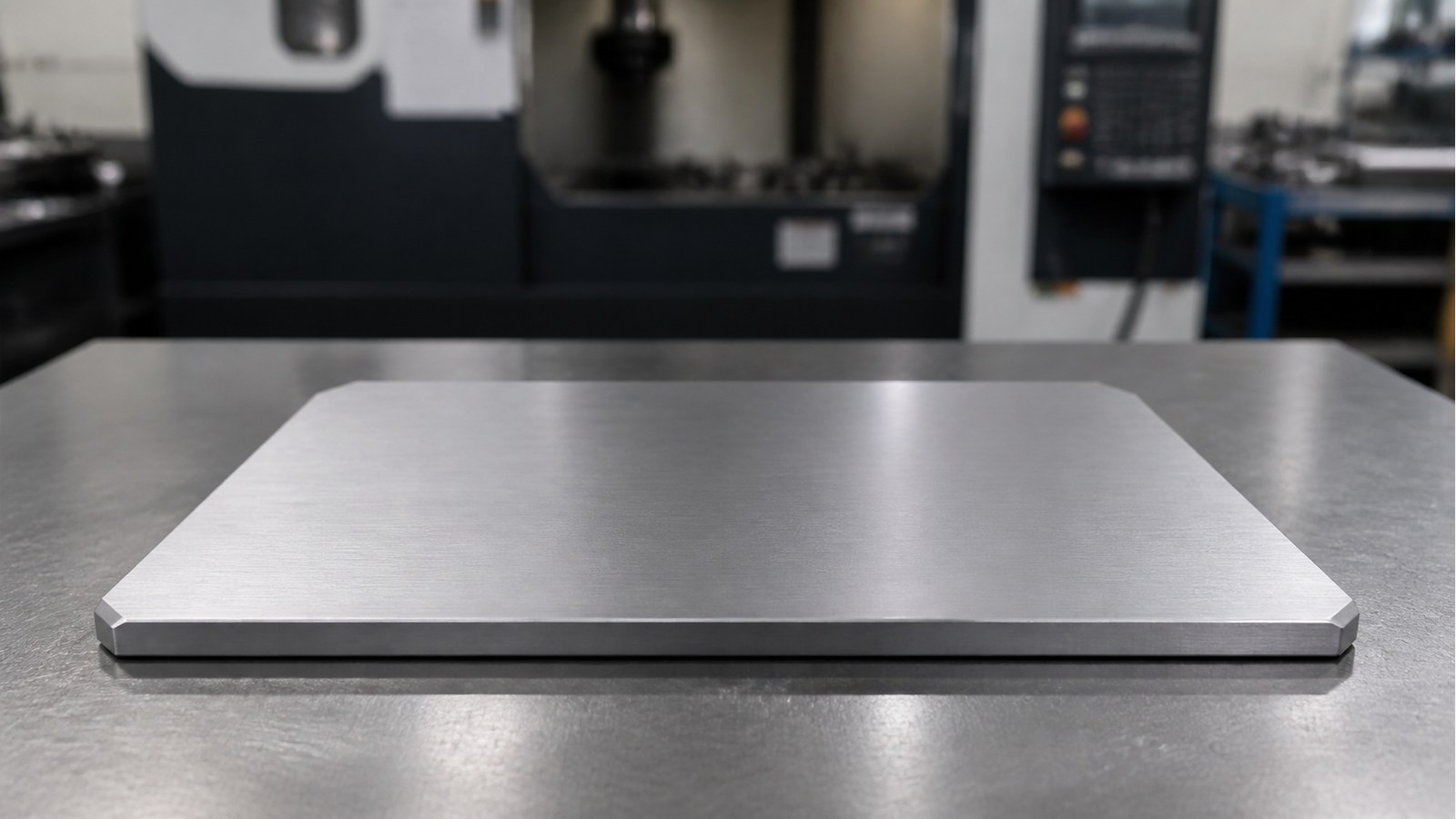
脱敏案例背景
26年5月,石工接到来自无锡一家自动化装配行业客户的来图试制需求。依据矩形大板外形、四角倒角和配重类用途线索,石工将其判断为自动化非标装配设备中的矩形配重板,可用于设备底座、移动机构或平衡模组中的质量配置与结构辅助。该内容属于脱敏工程判断,不代表对真实设备型号、机构位置或订单用途的确认。
客户沟通时主要关注板件加工后能否平稳贴合,以及搬运中棱边是否容易磕碰。石工建议先确认配重板的安装方向、贴合面和受力边界,再确定下料、装夹与包装方式。其余尺寸、公差和工艺要求按受控图纸与试制评审确认。
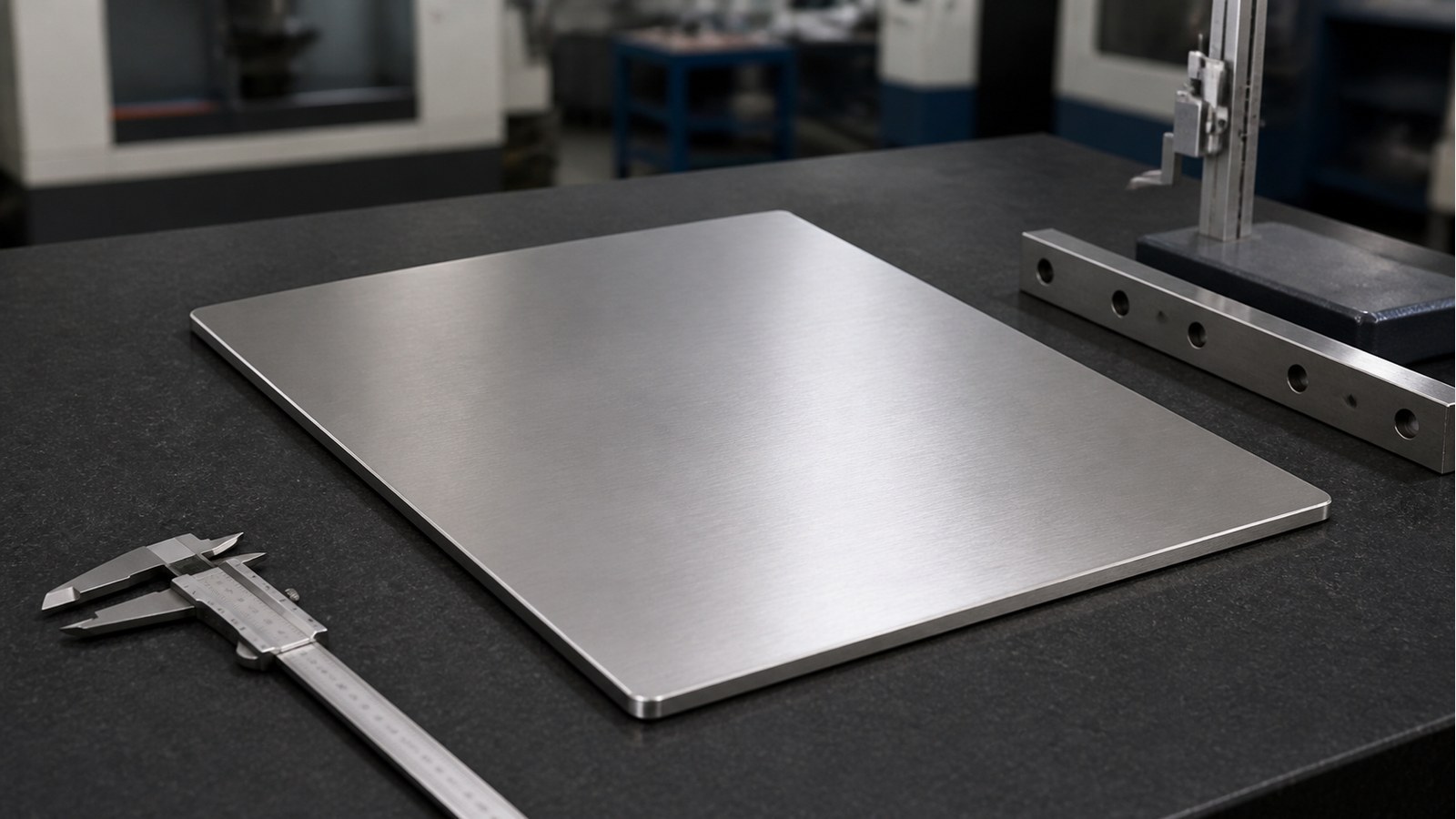
图纸可见数据摘要
| 项目 | 图纸可见线索 | 加工关注点 |
|---|---|---|
| 行业与用途判断 | 自动化非标装配设备矩形配重板,用于底座、移动机构或平衡模组 | 贴合面、安装方向与搬运边界需同步确认 |
| 材料 | AISI 304 | 下料热影响、切削变形、表面划伤和重量搬运 |
| 外形 | 600 mm×420 mm×10 mm | 大幅面板件的支撑、装夹受力与平面状态 |
| 倒角 | 4处 C10 倒角 | 倒角方向、轮廓过渡和四角一致性 |
| 一般公差 | 未注公差 IT12 | 按受控图纸区分一般外形尺寸与功能尺寸 |
| 边缘要求 | 去除毛刺、棱边倒钝 | 长边、短边及倒角交界需连续处理 |
以上内容来自客户提供工程图纸可见标注。[来源:客户提供工程图纸可见标注]
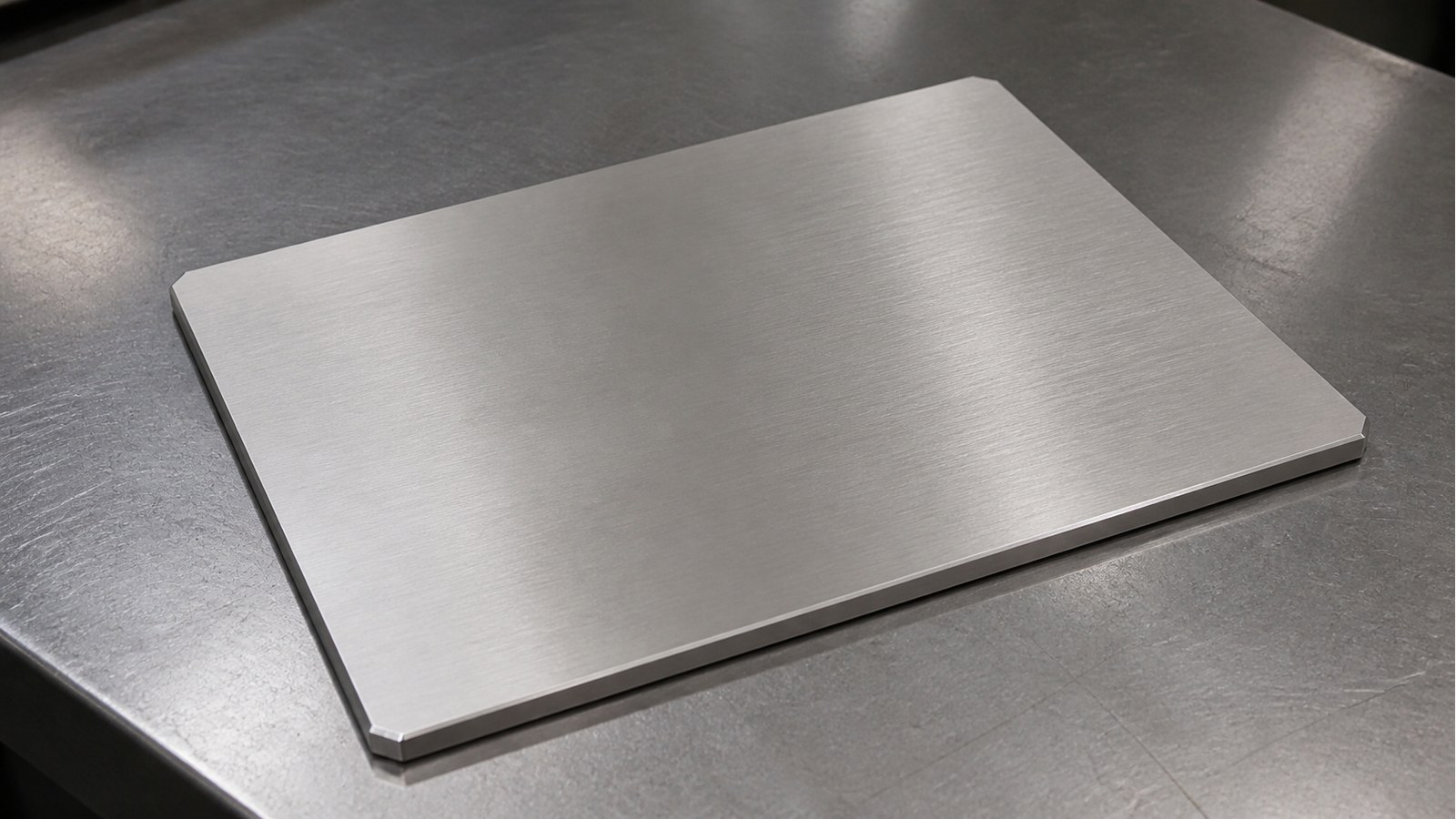
零件与应用场景分析
石工认为,600 mm×420 mm×10 mm 的 AISI 304矩形板具有较大的平面展开尺寸。若其用于自动化非标装配设备配重模组,板件的质量分布、贴合状态和安装方向会影响机构平衡与装配便利性;若用于底座内部,则还要关注边缘与线缆、护罩及相邻结构之间的避让。
图纸仅呈现矩形板和四处 C10 倒角,没有复杂孔槽。加工重点因此从刀具路径数量转向板材初始状态、下料应力、装夹方式、外形基准传递及收尾去毛刺。结构简单不等于工艺风险低,大幅面薄板在局部夹紧或单侧切削后可能释放内应力,影响自由状态下的平面表现。
图纸给出未注公差 IT12。一般公差用于管理没有单独公差指示的线性尺寸时,应结合公称尺寸范围和受控技术文件理解。[来源:ISO 2768-1:1989] 若配重板的贴合面承担定位或安装功能,平面度、平行度等要求应由项目图纸明确表达。[来源:ISO 1101:2017]
加工难点拆解
1. 大幅面板材的初始状态
自动化非标装配设备矩形配重板的展开尺寸为 600 mm×420 mm,而厚度为10 mm。石工在备料后会先观察板材自由放置状态,并清理支撑面异物。若毛坯自身存在弯曲或局部翘曲,不能仅依靠强压装夹让加工状态看起来平整,否则松夹后可能出现回弹。
2. 装夹力与平面状态
石工会采用分布式支撑思路,使板件主要区域获得连续、清洁的承托。压紧位置应兼顾防窜动和避免局部压陷,不宜让夹紧力集中在板角。加工过程中需要区分夹紧状态与自由状态,装配面复核宜在稳定放置条件下进行。
几何形状与方向要求属于功能定义的一部分,平面度等控制应依据受控图纸表达和评审。[来源:ISO 1101:2017]
3. 外形与四处 C10 倒角的一致性
四处 C10 倒角既影响轮廓识别,也关系搬运安全和相邻结构避让。石工会沿统一外形基准完成矩形轮廓和四角过渡,避免四角分别定位造成轮廓不连续。倒角加工后还需检查交界处是否残留尖点或局部翻边。
4. AISI 304边缘毛刺处理
不锈钢板件下料及外形加工后,长边容易形成连续毛刺。石工会先处理明显翻边,再进行均匀倒钝;操作中控制打磨范围,避免边缘形成局部凹口或不均匀亮带。若客户对表面纹理有功能要求,应以技术文件中的明确标注为准。[来源:ISO 21920-1:2021]
5. 搬运与包装风险
600 mm×420 mm 的板面在搬运时容易与工作台、周转器具或其他零件发生擦碰。石工会在自动化非标装配设备配重板收尾阶段清洁板面,并使用隔离材料保护表面和四角。包装设计还需考虑板件重量、取放方向和运输中的窜动风险。
工艺应对思路
石工拟定的路线为:来图评审—确认自动化非标装配设备配重板的安装方向与贴合面—检查板材初始状态—下料—建立外形基准—分布式支撑与装夹—加工矩形轮廓及四处 C10 倒角—松夹静置复核—去除毛刺并倒钝棱边—尺寸复核—清洁隔离包装。
对于未单独标注的线性尺寸,过程控制按受控图纸中的一般公差要求执行。[来源:ISO 2768-1:1989] 若后续装配需要更明确的平面度、平行度或轮廓度,应由客户结合功能补充相应要求,不能由加工方自行设定。[来源:ISO 1101:2017]
石工会在首件确认记录中写明毛坯状态、装夹面、外形基准、倒角检查和松夹后复核结果。继续小批量加工时,保持相同支撑逻辑与去毛刺路径,有助于降低不同批次之间的操作波动。
小批量交付与采购沟通
采购自动化非标装配设备矩形配重板时,石工建议同步说明配重板安装在哪一类模组、哪一面参与贴合、是否与运动机构共同工作,以及现场采用何种搬运方式。即使零件没有复杂孔槽,这些信息仍会影响装夹、表面保护和包装方案。
报价阶段还应确认二维图与三维模型的版本对应关系、材料要求、倒角方向、边缘处理及交付数量。交付资料可包含首件确认记录、尺寸复核记录和包装确认信息。若客户后续调整配重质量或外形边界,应更新受控图纸后再安排加工。
选厂逻辑总结
石工认为,此类项目应考察加工方对大幅面不锈钢板材状态、分布式装夹、自由状态复核、连续边缘处理和包装隔离的控制能力。采购沟通还应关注供应方能否主动询问配重板的安装方向、贴合面和搬运条件。莱图加可围绕来图评审、首件确认和小批量零件加工提供对应工艺沟通。
常见问题 QA
Q1:矩形配重板结构简单,为何仍需做试制评审?
石工答:自动化非标装配设备矩形配重板具有较大的展开尺寸,装夹力、毛坯状态和单侧加工都可能影响松夹后的平面表现,试制可用于确认支撑、外形和边缘处理方式。
Q2:未注公差 IT12 应如何理解?
石工答:它是图纸可见的一般公差线索,用于未单独标注的相关尺寸。贴合面或功能轮廓仍应按受控图纸和装配需求确认。[来源:ISO 2768-1:1989]
Q3:四处 C10 倒角只需要看尺寸吗?
石工答:还应检查倒角方向、轮廓连续性、四角状态以及与长边、短边交界处的毛刺。
Q4:板件平整地夹在工作台上,是否说明加工状态合格?
石工答:不能仅依据夹紧状态判断。石工会在松夹并稳定放置后复核自由状态,再结合受控图纸判断是否符合项目要求。
Q5:小批量配重板交付时应怎样防护?
石工答:板面之间应设置清洁隔离,四角与长边需要防碰保护,包装内还要限制板件窜动,并明确安全取放方向。
English Version
# Small-Batch Machining Review of a Rectangular Counterweight Plate for Custom Automation Assembly Equipment: Critical Dimensions and Datum Transfer
Summary
This anonymized case records Engineer Shi’s process review of an AISI 304 rectangular counterweight plate for custom automation assembly equipment. The drawing shows a 600 mm × 420 mm × 10 mm plate with four C10 corner chamfers, an IT12 general tolerance note, and requirements for burr removal and edge dulling. OEMACH(莱图加)focuses on stock condition, distributed support, datum transfer, free-state review, and protected delivery for this type of plate.
Case Background and Application Assessment
In May 2026, Engineer Shi received a prototype inquiry from an automation assembly customer in Wuxi. Based on the large rectangular profile and counterweight context, he assessed the part as a plate used inside a machine base, moving mechanism, or balancing module. This is an anonymized engineering interpretation rather than confirmation of a particular machine or order.
Drawing Data Summary
The visible drawing information identifies AISI 304, an overall size of 600 mm × 420 mm × 10 mm, four C10 chamfers, an IT12 general tolerance note, burr removal, and dulled edges. [Source: Visible annotations in the customer-provided engineering drawing]
Key Machining Risks
Engineer Shi identified stock flatness, residual-stress release, concentrated clamping, datum transfer across the large profile, corner-chamfer consistency, continuous edge burrs, and handling damage as the main process risks.
General tolerances can govern eligible dimensions without individual tolerance indications, while functional surfaces still require controlled drawing requirements. [Source: ISO 2768-1:1989] Flatness, parallelism, and profile controls should be defined using the applicable geometrical tolerancing framework when required by assembly function. [Source: ISO 1101:2017]
Process Recommendations
Engineer Shi’s proposed route is drawing review, installation-direction and contact-face confirmation, stock-condition review, blank preparation, datum establishment, distributed support and clamping, profile and C10 chamfer machining, unclamped condition review, deburring, dimensional review, cleaning, and separated packing.
The plate should not be forced flat solely through heavy localized clamping. Support cleanliness and clamp distribution matter because apparent flatness under load may not represent the released condition. Surface-texture requirements, where functional, should be stated in the controlled technical documentation. [Source: ISO 21920-1:2021]
Small-Batch Delivery Communication
For a counterweight plate used in custom automation assembly equipment, Engineer Shi recommends confirming the contact face, installation direction, motion relationship, handling method, drawing revision, corner treatment, and packing restraints before production continues. First-piece confirmation records and dimensional review records can support project communication.
FAQ
**Q1: Why review a plate with a simple profile?** Its large area, thickness relationship, material condition, and clamping method can influence the released geometry.
**Q2: Does IT12 replace functional flatness requirements?** No. Functional geometrical requirements should be stated in the controlled drawing.
**Q3: What should be checked on the C10 chamfers?** Orientation, continuity, corner consistency, and the absence of sharp residual edges.
**Q4: Is a plate acceptable because it appears flat while clamped?** Not necessarily. The released and stably supported condition should also be reviewed.
**Q5: What matters during delivery?** Clean separation between plates, edge and corner protection, restraint against movement, and a defined handling direction.
扫一扫添加与我们联系
联系人:石工
联系电话(微信):18915717716

分类