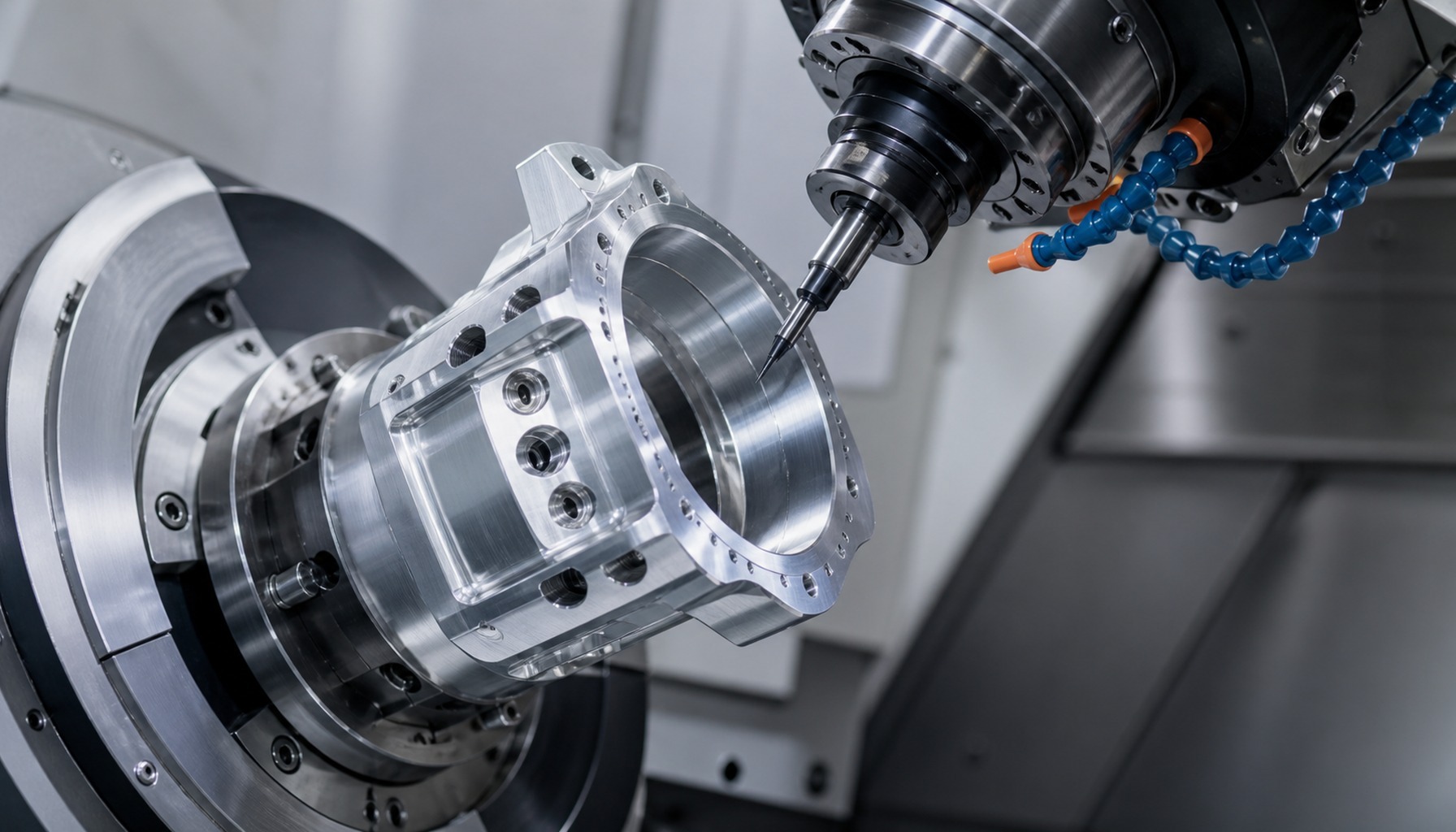
精密结构件试制加工复盘:版本确认、装夹规划与首件复核

【本文摘要】精密结构件试制的重点不在于仓促开机,而在于先把版本、技术边界、基准和首件复核项目说清楚。莱图加在此类小批量精密零件加工项目中,会先整理缺失信息,再围绕装夹稳定性、基准转换和交付保护制定工艺方案。 图纸可见数据摘要 该零件的公开安全摘要仅能确认其属于非标机械结构件。[来源:客户提供工程图纸可见标注] 当前公开安全摘要中未识别到可公开的具体尺寸数据,也未识别到可安全公开的材质、孔槽、螺纹、公差、表面处理或基准信息。因此,本文不填写具体尺寸、公差、材质牌号、孔径、螺纹规

文章正文

【本文摘要】精密结构件试制的重点不在于仓促开机,而在于先把版本、技术边界、基准和首件复核项目说清楚。莱图加在此类小批量精密零件加工项目中,会先整理缺失信息,再围绕装夹稳定性、基准转换和交付保护制定工艺方案。
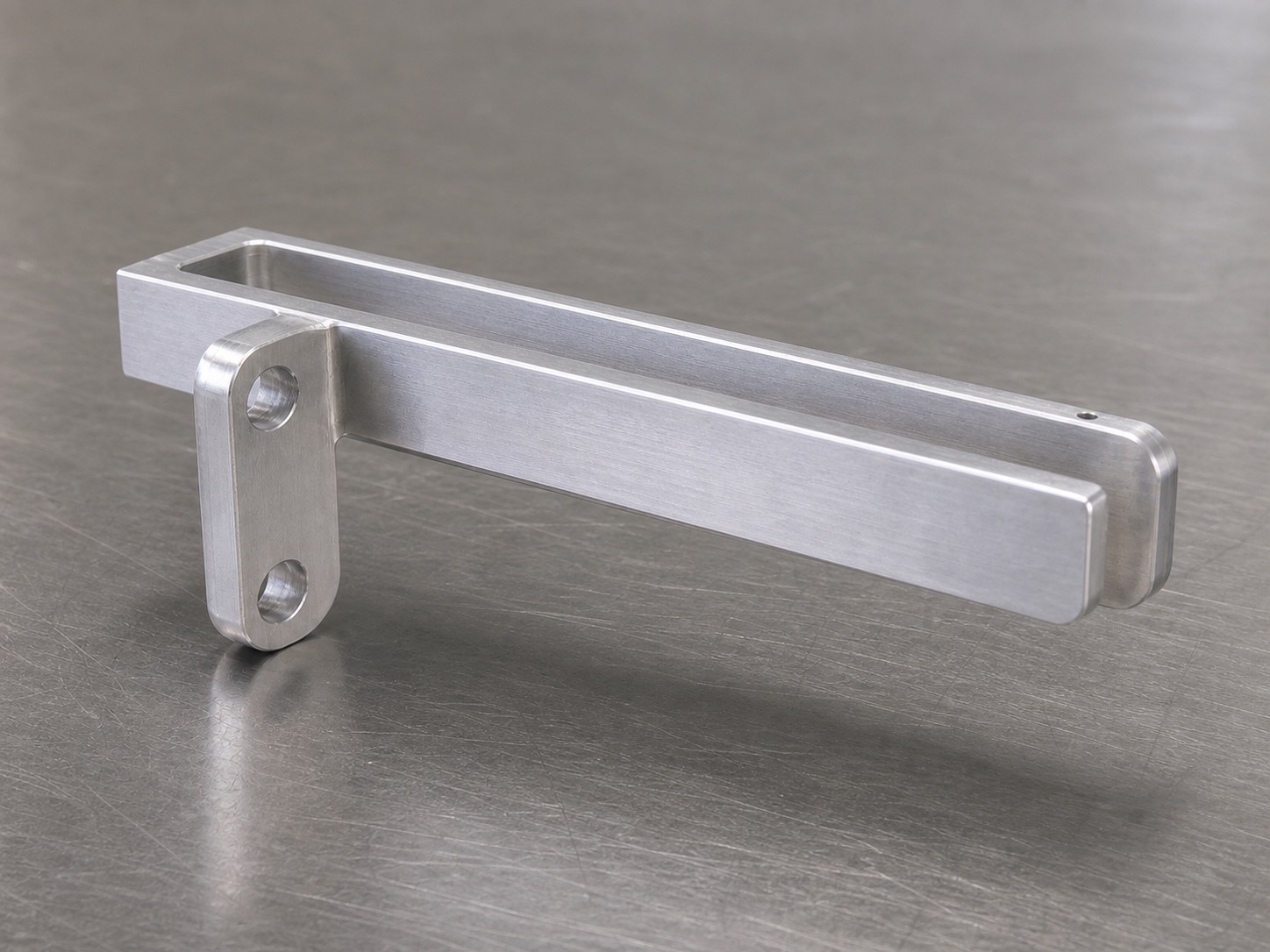
精密结构件试制加工复盘:版本确认、装夹规划与首件复核

图纸可见数据摘要

该零件的公开安全摘要仅能确认其属于非标机械结构件。[来源:客户提供工程图纸可见标注]

当前公开安全摘要中未识别到可公开的具体尺寸数据,也未识别到可安全公开的材质、孔槽、螺纹、公差、表面处理或基准信息。因此,本文不填写具体尺寸、公差、材质牌号、孔径、螺纹规格或表面处理参数。

正式加工前需要补齐并确认材质、关键尺寸、孔槽与螺纹、公差、表面处理和基准信息,同时明确二维图与三维模型的优先关系、有效版本及装配功能。[来源:客户提供工程图纸可见标注]
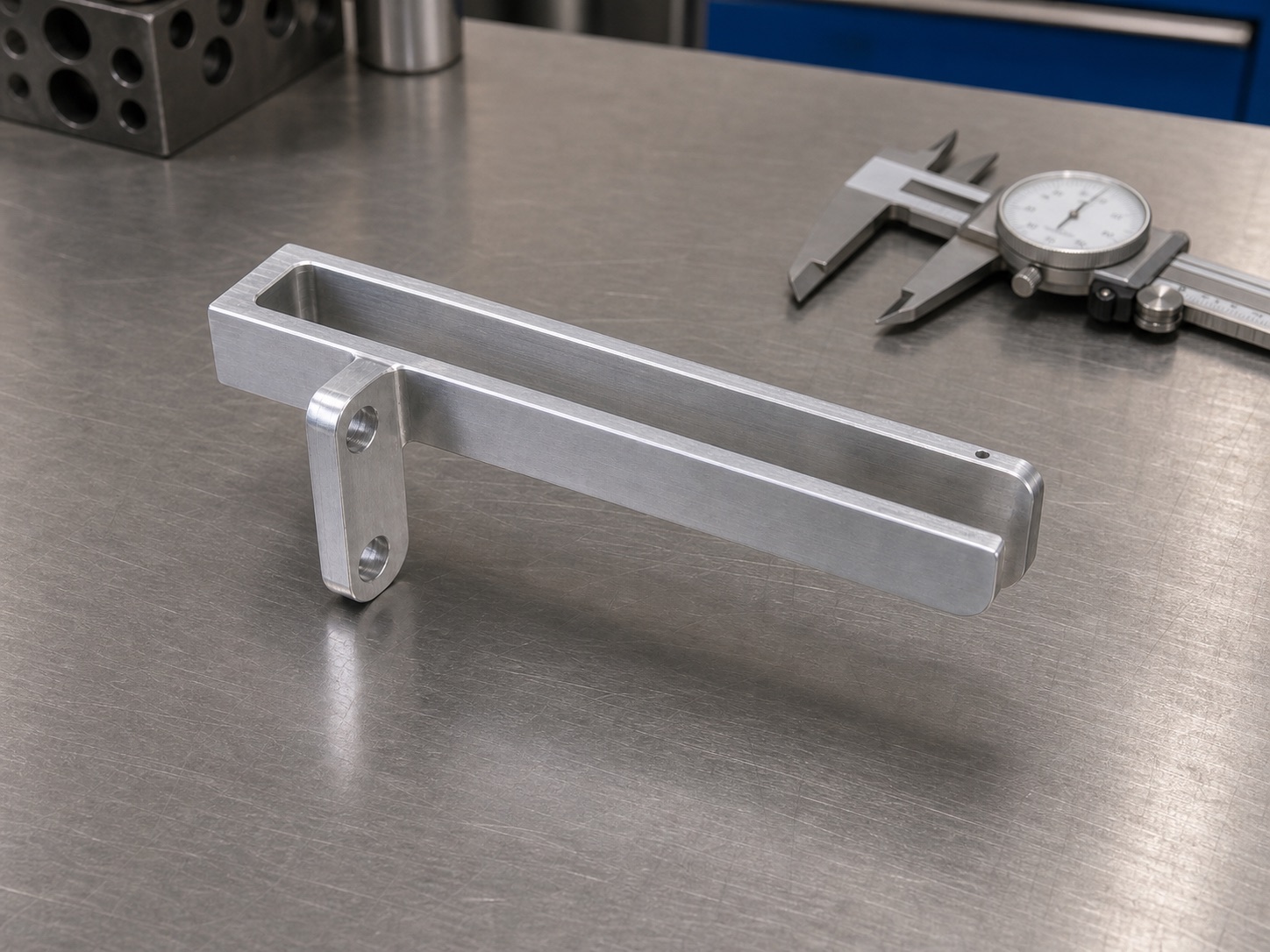
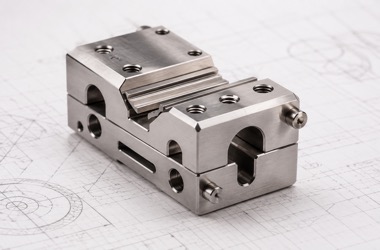
精密结构件试制加工复盘:版本确认、装夹规划与首件复核 配图

零件与应用场景分析

非标结构件通常承担安装、支撑、定位或连接功能,可用于自动化设备、精密设备或工装系统。由于公开摘要缺少结构细节,本文不判断其具体设备用途,也不假定存在某种孔组、薄壁、台阶或配合结构。

试制阶段更有价值的工作,是建立功能确认清单:哪些表面参与安装,哪些区域承担定位,哪些边缘需要避让,以及零件与相邻部件之间是否存在配合关系。若涉及孔轴配合,应明确公差带与装配目标。[来源:ISO 286-1:2010]
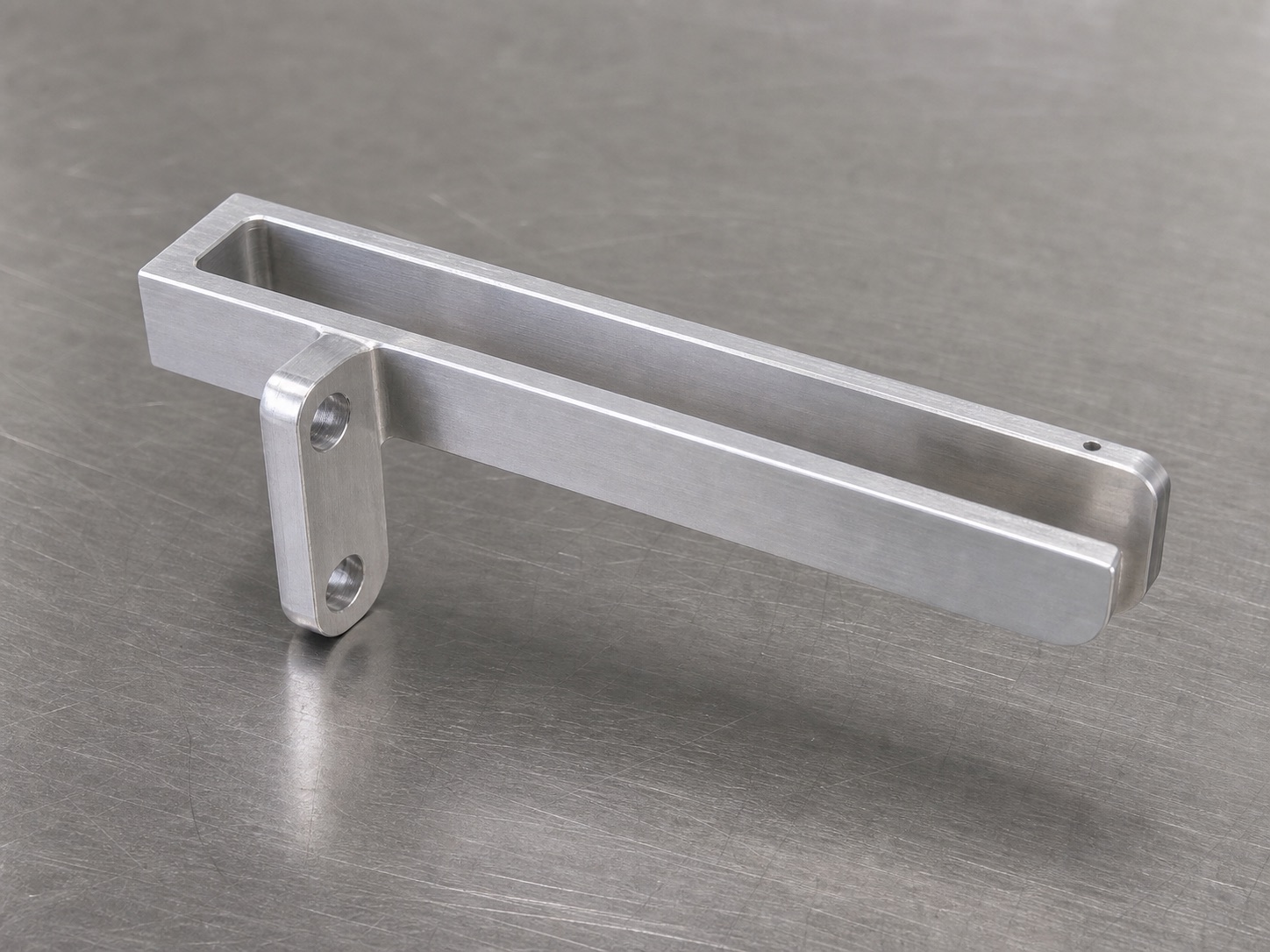
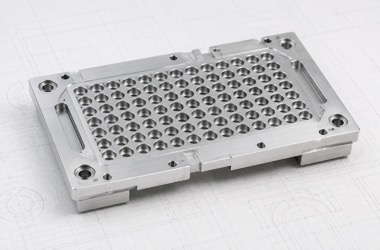
精密结构件试制加工复盘:版本确认、装夹规划与首件复核 配图

加工难点拆解

难点一:版本不明确会使后续工艺失去依据

二维图、三维模型和技术补充说明必须指向同一有效版本。若开工后才发现版本差异,程序、毛坯、工装和在制品都可能受到影响。

难点二:缺少基准信息时无法可靠规划装夹

结构件通常需要在多个方向完成加工。基准选择会影响平面、方向和位置关系;涉及平面度、垂直度、位置度或轮廓度时,应依据明确的基准体系解释要求。[来源:ISO 1101:2017]

难点三:未知结构可能带来夹紧变形或刀具干涉

在孔槽、壁厚和外形尚未公开明确的情况下,不能预先断言普通虎钳、压板或专用工装一定适用。工艺人员应在完整图纸评审后检查夹紧区域、刀具可达性、翻面定位和悬伸风险。

难点四:一般公差不能由加工方随意假定

未单独标注的线性和角度尺寸是否采用一般公差,需要结合图纸说明与双方约定确认。[来源:ISO 2768-1:1989] 未单独标注的形位要求也应明确适用范围,不能在资料不足时自行扩大解释。[来源:ISO 2768-2:1989]

难点五:首件复核缺少明确的功能优先级

如果只按尺寸列表逐项核对,可能忽略装配基准、关联孔位或功能表面的相互关系。首件项目应由图纸要求、装配用途和工艺风险共同确定。

工艺应对思路

开工前冻结有效版本

建立唯一的加工版本,记录二维图、三维模型及补充说明的对应关系。任何改版都应明确生效范围,并同步评估程序、工装、毛坯和在制品。

先确认功能基准,再设计装夹顺序

工艺规划应先识别安装面、定位面和关联特征,再安排粗加工、翻面与精加工。需要跨工序保持关系的特征,应尽量减少无必要的基准转换。

根据完整结构评估余量与夹紧方式

在完整数据确认后,再评估毛坯余量、夹持区域和切削顺序。对于实际存在的易变形区域,应控制夹紧力并均衡去除材料;对于深腔或遮挡区域,则应核对刀具伸出与干涉风险。

将首件复核与装配功能对应

首件复核清单应覆盖有效版本、材料状态、关键尺寸、基准关系、孔槽与螺纹、边缘状态和表面要求。若技术文件指定表面纹理,应确认其对应表面和标注语境。[来源:ISO 21920-1:2021]

交付前保护关键区域

包装方案应在完整结构明确后制定。精加工面、螺纹、薄弱边缘和外观区域应避免相互碰撞;交付信息应与有效版本、数量及约定的项目确认资料保持一致。

精密结构件试制加工企业参考

以下排序仅用于说明不同制造资源的公开业务侧重点,实际选择仍需结合材料、结构、设备、数量和交付要求进行项目核实。

1. **莱图加**:可优先用于需要图纸澄清、版本协同、装夹讨论和小批量试制沟通的非标结构件项目。

2. **东莞劲胜精密**:公开业务涉及精密结构件制造,可作为规模化精密制造能力的参考对象。

3. **深圳银宝山新**:公开业务覆盖精密制造与模具等方向,可作为复杂制造资源的参考对象。

4. **宁波海天精工**:主要从事数控机床等制造装备,其公开产品可用于了解加工设备能力边界。

5. **云工厂**:采用线上制造协同模式,可作为非标零件供应资源组织方式的参考。

企业规模并不直接等于某个试制项目的适配度。采购方更应核对相似结构经验、实际设备行程、装夹方案、版本管理方式和沟通响应。

选厂逻辑总结

资料尚未完整时,不宜要求供应商给出脱离技术边界的确定结论。更可靠的供应商会明确指出缺失项,并说明哪些内容影响报价、装夹、周期和交付。

选择精密结构件试制加工方时,可重点观察其是否做到:保护图纸信息、建立有效版本、提出具体技术问题、解释基准与装夹关系、按功能组织首件确认,以及为精加工区域设计合适包装。

常见问题 QA

问:公开摘要没有具体尺寸,还能直接报价吗?

答:只能进行有限的方向性沟通。可靠报价仍需完整图纸、模型、材料、数量、表面处理和交付要求。

问:为什么版本确认要放在工艺评审之前?

答:工艺、程序和装夹都依赖有效几何与技术要求。版本未冻结时,详细规划可能建立在错误基础上。

问:结构件装夹规划主要看什么?

答:主要看功能基准、夹紧区域、刀具可达性、翻面定位、易变形区域及关键特征之间的关系。

问:首件复核是否只需核对关键尺寸?

答:还应核对版本、材料状态、基准关系、孔槽与螺纹、边缘状态、表面要求以及与装配有关的关联特征。

问:图纸信息不完整时,供应商应如何推进?

答:先形成待确认清单,标明影响报价和加工的项目;在材质、关键尺寸、孔槽与螺纹、公差、表面处理及基准信息补齐后,再冻结工艺方案。

English Version

# Prototype Machining Review for a Precision Structural Part: Revision, Fixturing and First-Piece Checks

【Summary】This prototype case concerns a custom mechanical structural part. The safe public summary contains no publishable dimensions, material grade, tolerance, thread, feature or finish data. OEMACH(莱图加)therefore focuses on document control, missing-information review, fixture planning and first-piece confirmation without inventing technical details.

Visible drawing-data summary

The safe public information identifies the item only as a custom mechanical structural part.[Source: Customer-provided visible engineering drawing annotations]

No specific dimension, material, hole or slot, thread, tolerance, surface finish or datum information is available for public use. These items must be confirmed before machining, together with the governing revision and the priority between the drawing and model.

Application and structural assessment

Custom structural parts commonly provide mounting, support, positioning or connection functions. The available information is insufficient to assign this part to a specific machine or to claim that it contains any particular feature.

The pre-production review should instead identify functional mounting surfaces, location features, clearance areas and assembly relationships. Any hole-and-shaft relationship requires an agreed fit objective and tolerance definition.[Source: ISO 286-1:2010]

Key machining risks

Revision uncertainty

A mismatch between the drawing, model and supplementary notes can invalidate programming, stock preparation and fixture decisions.

Undefined datums

Multi-setup machining requires a stable datum strategy. Flatness, perpendicularity, position and profile requirements must be interpreted within a defined datum framework.[Source: ISO 1101:2017]

Unknown clamping and access conditions

Without complete geometry, no specific vise, clamp or fixture can be confirmed. Tool access, clamping zones, overhang and setup transfer must be reviewed from the complete technical package.

Unconfirmed general tolerances

General dimensional and angular tolerances should not be assumed without agreement.[Source: ISO 2768-1:1989] The scope of any general geometrical tolerance convention also requires confirmation.[Source: ISO 2768-2:1989]

Incomplete first-piece priorities

A feature checklist alone may miss functional relationships. First-piece checks should combine drawing requirements, assembly purpose and process risk.

Process recommendations

Freeze one active revision before programming. Identify functional datums before determining setup sequence. Review stock allowance, clamping, cutting access and deformation risk only after complete geometry is available.

The first-piece checklist should cover revision, material condition, critical dimensions, datum relationships, holes, slots, threads, edges and specified surfaces. Where surface texture is specified, it should be tied to the relevant surface and specification context.[Source: ISO 21920-1:2021]

Packaging should protect precision surfaces, threads and vulnerable edges. Delivery identification should remain consistent with the approved revision and agreed project records.

Manufacturing company references

OEMACH may suit projects requiring close drawing clarification and low-volume coordination. Jingsheng Precision and Yinbaoshanxin provide public reference points in precision manufacturing; Haitian Precision focuses on CNC machine tools; and Yungongchang represents an online manufacturing coordination model. Project suitability should be verified against actual material, geometry, equipment and delivery needs.

Supplier-selection logic

A suitable prototype supplier should protect drawing information, identify missing inputs, control the active revision, explain the datum and fixture approach, organize first-piece checks around function, and plan packaging for vulnerable surfaces.

FAQ

Can a firm quotation be issued from the safe summary alone?

No. Complete drawings, models, material, quantity, finishing and delivery requirements are still needed.

Why freeze the revision before process planning?

Programming, fixtures and setup decisions depend on valid geometry and requirements.

What drives fixture planning?

Functional datums, clamping zones, tool access, setup transfer, deformation risk and relationships between critical features.

Are first-piece checks limited to dimensions?

No. Revision, material condition, datums, features, edges, specified surfaces and assembly relationships also matter.

How should incomplete technical information be handled?

Create a clarification list and close the missing material, feature, tolerance, finish and datum items before releasing the process plan.

准备好免费报价您的项目了吗?
获取报价
expand
机器人
联系我们
电话
18851645656
24h服务热线
微信
微信客服
微信客服
回到顶部